Fargo's Allergy Treatment Center for Over Twenty Years
We provide thoughtful and efficient care to patients experiencing allergic symptoms.
More than 50 million Americans suffer from allergies. And they can range from mild to debilitating. But allergy treatment at Catalyst Medical Center can help.
Allergies are reactions of the immune system to certain substances that can manifest in many different ways. Dust, mold, foods and drugs are just some of the things that can trigger symptoms that range from mild to life-threatening.
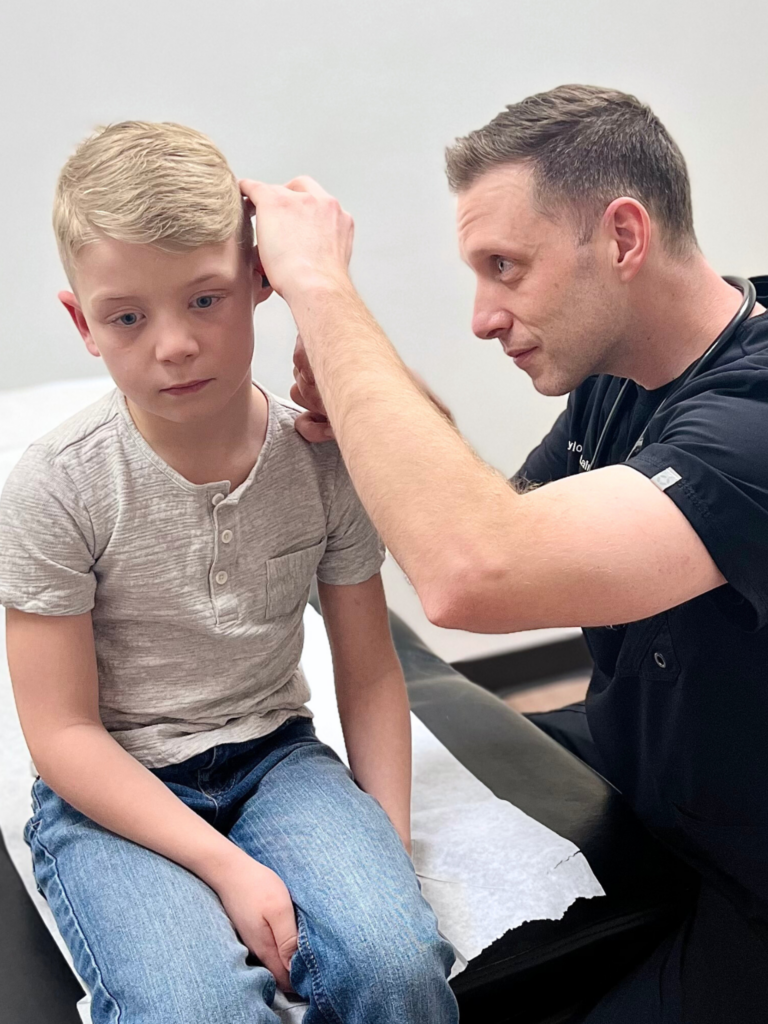
Allergies can affect your nose, eyes, ears, throat, skin and even your gastrointestinal organs.
In many cases, it’s difficult to narrow down the cause of your allergic reactions. Our allergy specialists are trained to identify what’s causing your symptoms and create a treatment plan to provide relief and prevent future reactions.
Fargo area residents trust Dr. Susan Mathison and her staff to help them find relief from irritating and sometimes painful allergy symptoms.
If you’re scheduled for allergy testing and need to access the Medications that interfere with Allergy Testing, click here.
Allergy Conditions We Treat
Environmental allergy
Food allergy
Insect allergy
Bronchitis
Eczema
Hives
Rashes
Itchy skin
Sinusitis
WE ACCEPT MOST MAJOR MEDICAL INSURANCE PLANS AND MEDICARE. REFERRALS NOT NEEDED UNLESS REQUIRED BY YOUR INSURANCE PLAN.
Schedule Your Appointment
Please call the medical center to book your appointment 701-365-8700, option 1.